

Real estate investing in Cape Coral, FL looks different in 2026 than it did during the boom. Home values have slipped, rents for houses have dipped and rentals are taking longer to lease. The typical Cape Coral home is worth about $335,000, and houses rent for around $2,195 a month.1,2 For patient investors, a softer market in one of Florida's fastest-growing cities can be a chance to buy at better prices.
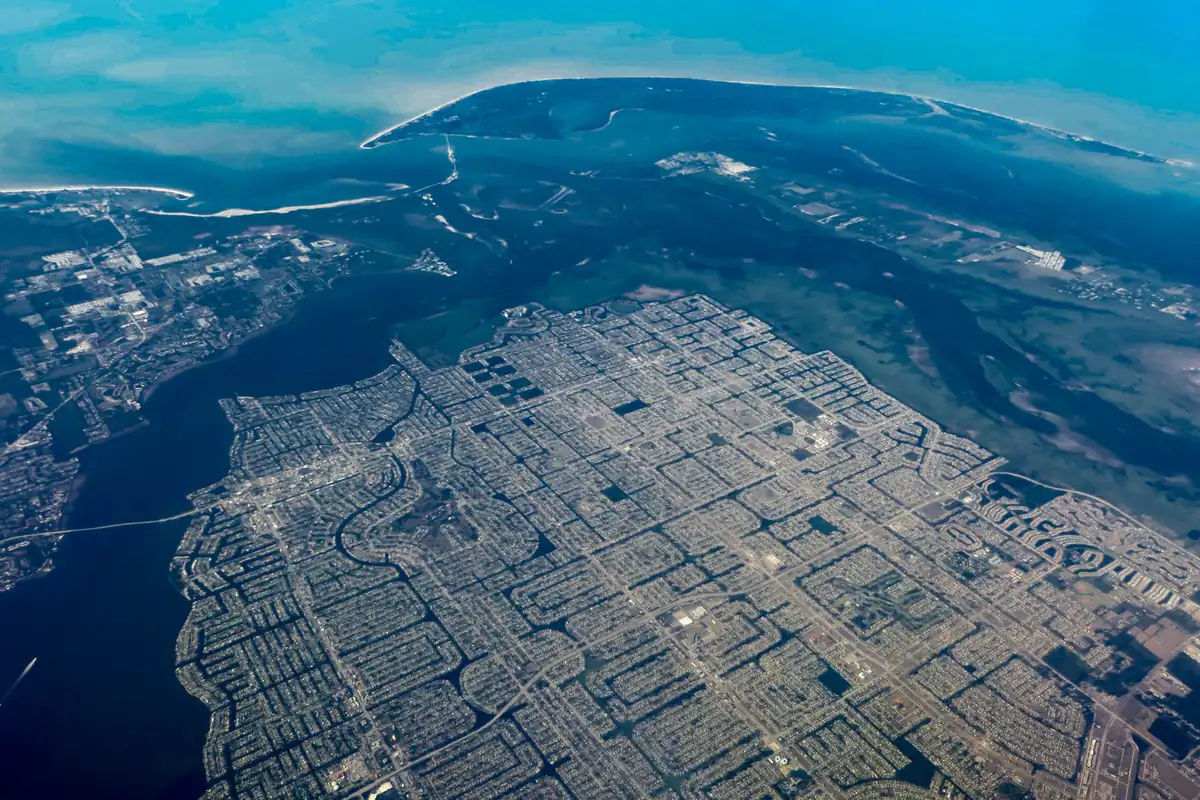
Cape Coral is the largest city in Southwest Florida, with about 236,000 residents, across the Caloosahatchee River from Fort Myers.3 Built as a planned community starting in the late 1950s, it's laced with canals and made up mostly of single-family homes. That housing stock, and a steady flow of retirees, families and remote workers moving to the Gulf Coast, is a big reason single-family rental homes are so common here.
Why investors are watching Cape Coral in 2026
- A buyer's market. Zillow puts the typical Cape Coral home value at about $335,000, down 2.9% over the past year, with homes taking around 52 days to go under contract.1 Buyers have room to negotiate.
- A fast-growing city. Cape Coral grew from about 194,000 residents in 2020 to about 236,000 in 2025, a 21.8% gain.3
- New local employers. Bones Coffee Company is consolidating its national headquarters, manufacturing and distribution in Cape Coral, a $27.3 million project with 130 jobs paying 40% above the city average.4
- Health care is expanding. Lee Health started construction in May 2026 on a 100,000-square-foot outpatient center on Veterans Parkway.5
Cape Coral housing and rental market in 2026
Cape Coral has moved from a seller's market to a buyer's market. Zillow's typical home value of about $335,000 is down 2.9% from a year ago, and homes go under contract in around 52 days.1 That gives buyers time for inspections, insurance quotes and negotiation on price and repairs.
Rents are under pressure. The average house rents for about $2,195 a month, down about $90 from a year ago, and rental houses are taking around 84 days to lease, with about 848 listed.2 Across all rentals, including apartments, the average is about $1,925, down about $75.2 Landlords who price right and keep homes in good shape still lease, but this is a tenant's market for now.
- Typical home value: ~$335,000, down 2.9% year over year.1 Entry prices are easing.
- House rent: ~$2,195 a month, down ~$90 year over year.2
- All rentals: ~$1,925 a month, down ~$75 year over year.2
- Days to pending: ~52 days.1 A buyer's market with room to negotiate.
- Gross rent-to-price: ~7.9% a year. Annual house rent ($2,195 × 12) ÷ typical home value ($334,660), before taxes, insurance, repairs and vacancy.
Gross rent-to-price is only a first screen. Before you invest in rental property, run the net numbers too, such as cap rate and cash-on-cash return, which account for taxes, insurance, repairs and vacancy. In a coastal city, wind and flood insurance can be the biggest line item after the mortgage, so get quotes early.
Jobs, growth and population: what's driving demand
Population growth is the engine. Cape Coral added about 42,000 residents from 2020 to 2025.3 The city expects about 75% of new residents to settle north of Pine Island Road, where much of the remaining buildable land is.6 Many newcomers are retirees and families from the Midwest and Northeast, along with workers priced out of Naples and other coastal markets.
Cape Coral is largely a residential city, and many residents commute across the river to jobs in Fort Myers and Lee County. Local employment is growing, though. Bones Coffee Company is consolidating its national headquarters, manufacturing, distribution and administrative operations at a site on Pine Island Road, a $27.3 million investment with 130 jobs.4 Lee Health is building a 100,000-square-foot outpatient center on Veterans Parkway to serve the city's growth, adding to Cape Coral Hospital.5 Construction, health care, retail and hospitality employ much of the local workforce.
Cape Coral neighborhoods and areas to know
Southeast Cape Coral
The oldest part of the city, around Cape Coral Parkway, the Bimini Basin and the Cape Harbour marina. Shops and restaurants are close, and many homes sit on Gulf-access canals. Prices are among the highest in the city, and older homes need careful inspection.
Southwest Cape Coral
Waterfront neighborhoods with Gulf-access canals and newer, larger homes. Popular with boaters and seasonal residents, but flood exposure and insurance costs are high.
Central Cape Coral and Pine Island Road
Established neighborhoods near the city's main commercial corridor, shopping and new employers like Bones Coffee. A mix of canal and dry-lot homes at mid-range prices.
North Cape Coral
The fastest-growing part of the city, with newer homes on freshwater canals and dry lots at lower prices. The city is still extending water and sewer lines in parts of the north, so check utilities and assessments for each property.
Comparing markets? See our 2026 market guides to Port St. Lucie and Palm Bay, or browse all of our real estate market guides by city.
Risks to weigh before investing in Cape Coral
- Hurricanes and flooding. Hurricane Ian caused widespread flooding and damage in Cape Coral in 2022. Check flood zones, elevation, roof age and storm protection for every property, and keep cash reserves for deductibles.
- Insurance costs. Florida homeowners premiums are among the highest in the country, though they eased in most counties in 2026.7 Waterfront homes often need separate flood coverage. Get quotes before you buy.
- Falling rents and slow leasing. House rents are down about $90 over the past year and rentals are taking about 84 days to lease.2 Underwrite with today's rents and a realistic vacancy allowance, and understand real estate market cycles.
- Utility assessments and new supply. Homes in areas getting new water and sewer lines can face special assessments, and new construction in the north adds competition. Our guide to real estate market analysis walks through what to check.
3 ways to invest in Cape Coral rental property, including fractional real estate investing
There are three common ways to invest in rental properties in a market like Cape Coral. They differ mainly in how much money you need up front and how much work you take on.
Buy a rental home yourself
Investment property loans typically require 20% to 25% down. On a $335,000 home, that's roughly $67,000 to $84,000 before closing costs and repairs. You also find tenants and handle maintenance, or pay a property manager. Our guide to choosing the right rental property covers what to check before you buy.
Buy a REIT or real estate fund
A REIT lets you invest with less money, but you own a slice of a large national portfolio rather than specific Cape Coral homes. See more ways to invest in real estate without buying property.
Invest in fractional real estate online
Fractional real estate lets you buy shares of individual rental homes instead of the whole property. With a real estate investment platform like Tirios, you can invest in real estate online starting at $100 per share, through the website or the Tirios app. Our guide to investing in rental property online explains how it works. The team handles tenants and maintenance, and rent is paid out as quarterly dividends, which makes it a hands-off way to earn passive income from real estate.
How Tirios evaluates a market like Cape Coral
Every home on Tirios is one our team sourced, underwrote and invested in ourselves. Technology helps us find the deals and amplifies the returns. Here's the process, or read more about how Tirios works.
Cape Coral, FL real estate FAQs
Is Cape Coral, FL a good place to invest in rental property in 2026?
Cape Coral is a buyer's market in 2026. The typical home value is about $335,000, down 2.9% from a year ago, and houses rent for about $2,195 a month, a gross rent-to-price ratio of roughly 7.9% a year. The population keeps growing, but rents have dipped, rentals take months to lease and insurance and flood costs are high, so buying at the right price and underwriting carefully matter.
Are home prices dropping in Cape Coral, FL?
Yes, modestly. Zillow's typical Cape Coral home value is about $335,000, down 2.9% from a year earlier, and homes go under contract in around 52 days. Buyers have more room to negotiate than during the 2021 and 2022 boom.
How much does a house cost in Cape Coral, FL?
The typical home value in Cape Coral is about $335,000 as of September 2026, according to Zillow. Gulf-access canal homes in the south of the city often cost far more, while homes in the north often cost less.
What is the average rent in Cape Coral, FL?
Houses in Cape Coral rent for about $2,195 a month on average, down about $90 from a year earlier. Across all rentals, including apartments, the average is about $1,925, according to Zillow.
Can I invest in Cape Coral real estate online?
Yes. With Tirios, a real estate investment platform, you can buy shares of single-family rental homes online starting at $100 per share, and rent is paid out as quarterly dividends.
Explore more real estate market guides by city, or brush up on terms like cap rate and appreciation in our real estate investing glossary. New to investing? Read our guide on how to start investing in real estate.
Sources
- Zillow, Cape Coral FL home values (Sept 2026)
- Zillow Rentals, Cape Coral FL rental market trends (Oct 2026)
- U.S. Census Bureau estimates via City Population (July 2025)
- City of Cape Coral, City earns 2025 Business Facilities Impact Award for work with Bones Coffee Company (Jan 2026)
- Business Observer, 100K-square-foot Lee Health center breaks ground in Cape Coral (May 2026)
- City of Cape Coral, A workforce ready for business
- WFLX, State data shows decreasing home insurance premiums in 51 Florida counties (Aug 2026)